Wednesday, April 1, 2026
Home Blog Page 811

Ethiotelecom aims to expand hard currency mobilization through tariff reforms

0

Ethiotelecom, Ethiopia’s state-owned telecom provider, has announced plans to implement tariff reforms on select products and services in the near future. This move comes just a month after the government’s macroeconomic policy reforms, which included the floating of the Ethiopian birr.

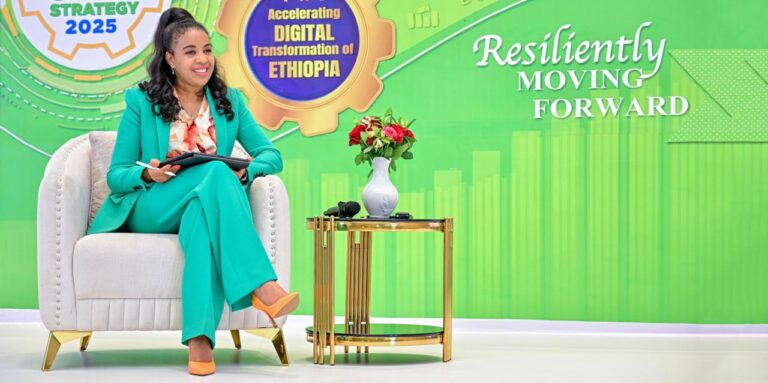
Frehiwot Tamiru, the CEO of Ethiotelecom, stated that the tariff reforms will take into account the ability of customers to pay. She emphasized that while prices will not be increased across the board, there will be targeted improvements to certain products and services.

Over the past two decades, during which the birr has depreciated by more than 750%, Ethiotelecom has significantly reduced prices in the last six years, making its rates among the lowest in the world and highly affordable for users. With the current floating of the birr, the rates in foreign currency will become even more competitive.

In September 2018, Ethiotelecom announced a 40-50% tariff reduction and implemented various improvements. The latest reports show that the company charges lower prices compared to other telecom providers in the region.

“We held off on adjusting tariffs because we wanted the macroeconomic changes to stabilize and be healthy for our customers, as well as for the economy in general,” Frehiwot explained.

While the CEO acknowledged that the current tariffs for voice and data services are already low, she refrained from providing a specific timeline for the implementation of the new tariffs, stating that plans are in place to introduce them.

Ethiotelecom is also aiming to increase its foreign exchange earnings and provide competitive services to expand international revenue and foreign exchange-generating sectors in size and type. The company plans to raise its foreign exchange earnings to $282.85 million in the current fiscal year by upgrading its foreign exchange service, remittance services, and expanding partnerships.

In the 2024/25 fiscal year, Ethiotelecom has budgeted over $1 billion for digital infrastructure expansion. The company plans to add 5 million customers in the current fiscal year and generate 163.7 billion birr in revenue, a 74.4% increase from the previous year’s 93.7 billion birr.

Frehiwot stated that Ethiotelecom aims to build more than 1,000 mobile stations by 2024/25 and focus on providing technological innovations and solutions beyond just connectivity. Digital Ethiopia also plans to have 500 cities with 4G and 15 cities with 5G network coverage this year, with the number of users expected to increase from 78 million to 83 million, and Telebirr users from 47.5 million to 55 million.

As Ethiotelecom navigates the changing economic landscape, its tariff reforms and expansion plans demonstrate its commitment to providing affordable and competitive services while generating much-needed foreign exchange for the country.
Somali National Armed Forces and African Transition Mission in Somalia (ATMIS) train on Joint Operations Coordination

0

Twenty-six officers from the African Transition Mission in Somalia (ATMIS) and the Somali Security Forces (SSF) have completed a five-day training on planning and coordination of joint operations against Al-Shabaab.

The training for Joint Operations Centres staff equipped the officers with critical skills for effective operations to attain the Mission’s strategic objectives.

The Deputy SRCC for ATMIS, Sivuyile Bam emphasized the critical role of the training in addressing coordination challenges, enhancing communication with key stakeholders, and facilitating timely information sharing for mission operations.

“JOC staff are a critical component of the mission’s decision-making process, playing a key role in information management. This training is essential in managing coordination and communication challenges, which are the vital aspects of JOC operations. It will also ensure the prompt transfer of information for mission operations,” said Bam during the opening of the training on Sunday, also attended by ATMIS Deputy Force Commander in charge of Logistics and Support, Maj. Gen. Peter Kimani Muteti, and ATMIS Chief JOC, Col. George-Noble Hoenyedzi.

The Deputy Head of Mission for ATMIS asked the officers to diligently and professionally discharge their duties to achieve the Mission’s mandate.

The Acting Force Commander for ATMIS, Maj. Gen. Marius Ngendabanka, said the training will enhance the officers’ capacities and foster interactions between ATMIS troops and the Somali Security Forces.

“The JOC staff training is aimed at developing your capabilities to plan effectively and foster a common way of working between ATMIS and SSF while leveraging on situational awareness,” said Maj. Gen. Ngendabanka, who is also the Deputy Force Commander in charge of Operations and Planning, at the close of the training.

“I am glad that we now have a pool of knowledgeable personnel who can make a difference in our operations.”

The training covered ATMIS JOC’s Standard Operating Procedures, first aid, Medevac/Casevac, JOC functions, communication support and prevention of sexual exploitation and abuse.

Other topics included information security, crisis response, human rights and international law, information operations and cycle, including incident reporting.

Participants appreciated the training’s importance in boosting their capabilities and coordination during joint operations.

“I am grateful to ATMIS and the other stakeholders for organising this training for Joint Operation Centres staff deployed in the various sectors. The knowledge we have acquired will greatly enhance our coordination with Somali security Forces during operations,” said Major Kelvin Wandera from the Sector Two Joint Operation Centre.

The Chief of Sector Three Joint Operation Centre, Major Aman Wako, said: “The training will enhance our operational capabilities and improve the effectiveness of our operations in the sector.”

The Joint Operations Centres, launched in October 2022, play a vital role in enhancing collaboration among ATMIS, the SSF and other partners. These centers are part of a wider strategy to prepare the Somali forces to assume full security responsibility once ATMIS’ mission concludes.

Distributed by APO Group on behalf of African Union Transition Mission in Somalia (ATMIS).

COMESA workshop aims to harmonize electricity tariffs and boost investment in energy sector

0

The COMESA region’s standardized power rates and cost assessments have been evaluated by members and a consultant in an effort to increase investment in the energy industry and foster sustainable collaboration.

Through enhanced regulatory frameworks, member nations of the Common Market for Eastern and Southern Africa (COMESA) and the African Development Bank (AfDB) have been striving to fortify the sustainability of the electrical sector in Eastern and Southern Africa.

The effort aims to create laws that are efficient, transparent, and legally binding to promote cross-border commerce in electricity and improve access to energy throughout the area.

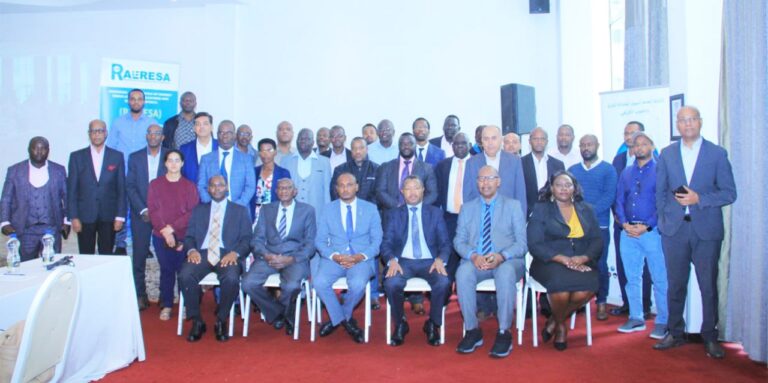
Mohamedain Seif Elnasr, CEO of the Regional Association of Energy Regulators for Eastern and Southern Africa (RAERESA), commented on the Addis Ababa workshop centered on validating the framework and preliminary reports for harmonized electricity tariffs and cost assessments, emphasizing that the workshop’s main goal is to validate project deliverables in order to move forward.

The goal of the workshop, according to the CEO of RAERESA, a COMESA specialized agency, is to assess a few project deliverables related to the harmonization of regulatory frameworks and instruments for harmonized energy regulation in COMESA.

He went on, “We are here to validate some of the reports, including the cost reflectivity assessment and the harmonized comparison of regulatory tariffs in the region.”

The initiative, named ‘Regional Harmonization of Regulatory Frameworks and Tools for Improved Electricity Regulation in COMESA,’ aims for effective, transparent, uniform, and enforceable regulatory frameworks in the region with the ultimate objective of stimulating cross-border electricity trade and improving energy access in the COMESA region.

“We are collaborating with the African Development Bank to develop those deliverables as well as other deliverables that have already been validated, such as key performance indicators for regulatory principles and for utilities to improve utility efficiency,” he states. “In the end, we will have a harmonized system, and we are striving for regional integration,” he continues.

The CEO told Capital that in order to achieve regional integration, countries must minimize their differences with one another and work together. Harmonization is thus crucial and plays a significant role in this process.

“When people collaborate, they can lower operating costs and gain from one another. For instance, there is currently an energy deficit in parts of our region. If they are integrated, they can swiftly import energy from the areas that have excess supply.” Thus, one advantage of integration is that.

In order for COMESA member nations to cooperate and fully utilize their energy resources, he continued, “we’re working together regionally.” According to the CEO, member nations have abundant resources for energy, including gas and oil, renewable energy, and other resources that may be used to improve the energy mix. “They don’t rely on one thing when they have a diverse energy mix.”

A report on the cost of power assessment and the harmonized comparison of COMESA electricity tariffs was presented during the workshop. Data for analyzing the harmonized costs, harmonized tariffs for the COMESA area, and cost-effective evaluation were also covered.

“The cost-effectiveness is crucial, as the COMESA Council of Ministers determined in 2017 that cost-reflective tariffs are necessary to promote investment in the energy sector,” the CEO stated.

Reports including the regulatory principles and the key performance indicators, the report for utility, and the regulatory key for power indicators and regulatory principles have been validated.

The cost-reflective tariff has also been stated as key to attracting investment in the energy sector.

“Sometimes investors ask for cost-reflective tariffs, and if the country doesn’t have them, they might not come. That is why there’s an energy gap here and there. So, when countries migrate to cost-reflective tariffs, that is a very good opportunity for investors to come and invest in the energy sector,” Mohamedain said.

The project comprises three key components, including: (i) the Elaboration and Adoption of Regional Electricity Regulatory Principles and Regulatory and Utility Key Performance Indicators based on the AfDB’s flagship Electricity Regulatory Index for Africa for the COMESA region; (ii) Harmonized Comparison of Electricity Tariffs and Cost Reflectivity Assessment Framework Tool; and (iii) the development of an Information and Database Management System.

CRISIL Limited of India was engaged as a consultant to implement components of the project, among which is the development of a framework for cost reflectivity assessment of tariffs and for harmonized comparison of tariffs across the region. The assignment has been ongoing since February 2023, leading to the validation workshop for the deliverables developed by the consultant.

Africa Celebrates Unity and Economic Prosperity at Upcoming Pan-African Event in Addis Ababa

0

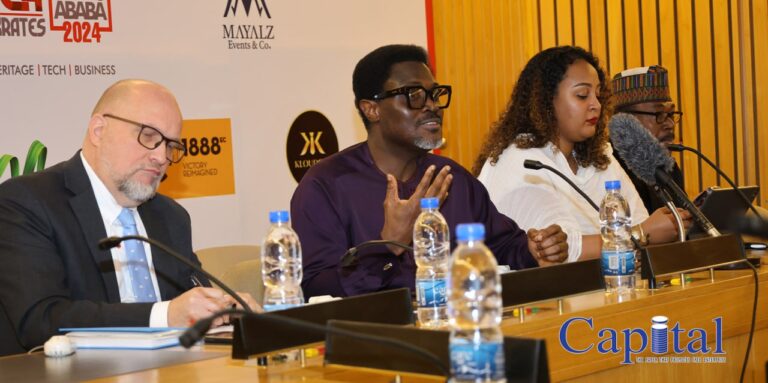
Africa Celebrates, a premier Pan-African event designed to celebrate Africa’s unity in diversity and promote economic prosperity through arts, culture, heritage, technology, and business, will be held in Addis Ababa from November 6 to 10.

According to the organizers, Legendary Gold Limited and Mayalz Events in collaboration with the African Union Commission and the United Nations Economic Commission for Africa (ECA), the event will be presented at the African Union and ECA headquarters in Addis Ababa.

This year’s theme, “Educate an African fit for the 21st century,” underscores the importance of resilient awareness systems in advancing integration and prosperity across the continent.
